

Quick Summary
Several finishes hold up well in a UK bathroom, and some go on in a fraction of the time. The right choice depends less on how it looks in a showroom and more on where the wall sits in the room.
This guide covers the main alternatives to bathroom tiles, from waterproof panels and microcement to specialist plasters, paint and timber panelling. It also explains what has to be right behind the finish, and how to match each option to the wet, splash and dry parts of a bathroom. If you are planning a bathroom update and need help with the finishing work, bathroom renovation in Harrow can be a useful option.
Why homeowners look for an alternative to bathroom tiles
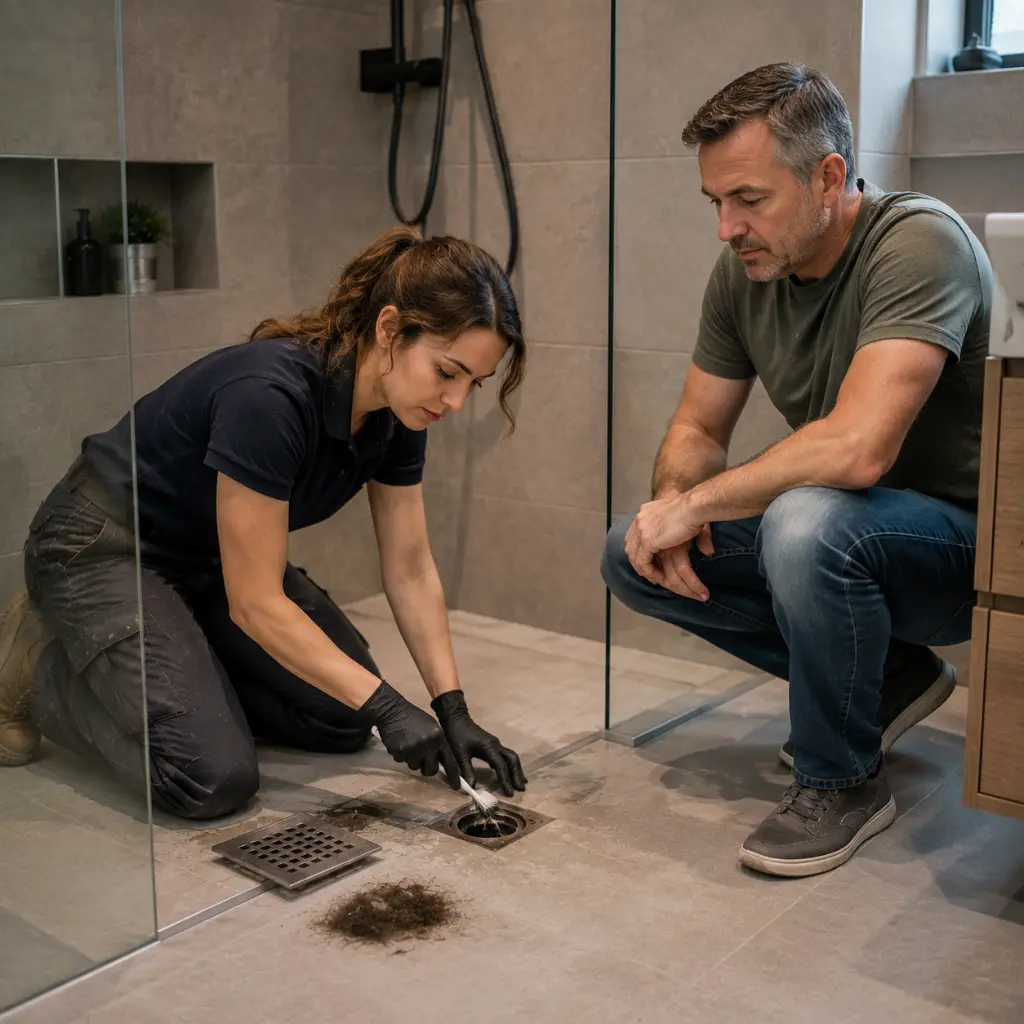
Grout is the weak point in a tiled wall. It is porous, it takes on soap residue and moisture, and it gradually discolours in the areas that get used most.
Cleaning holds it back for a while. Beyond that, the real fix is raking the joints out and regrouting, or cutting out and replacing the sealant around the bath and shower tray.
Removal is the other sticking point. Old tiles rarely come away cleanly, they pull chunks of plaster or board with them, and the wall needs making good before anything new goes up. That turns a simple job into several days of work.
What every tile alternative still has to get right
One point is worth being clear about before choosing anything. In a shower or wet area, the waterproofing is a layer behind the finish, not the finish itself.
In practice that means a tanking membrane, a liquid waterproofing system, or cement and foam backer boards where water lands directly. Standard plasterboard has no place in a shower, and moisture-resistant board is rated for humidity, not soaking.
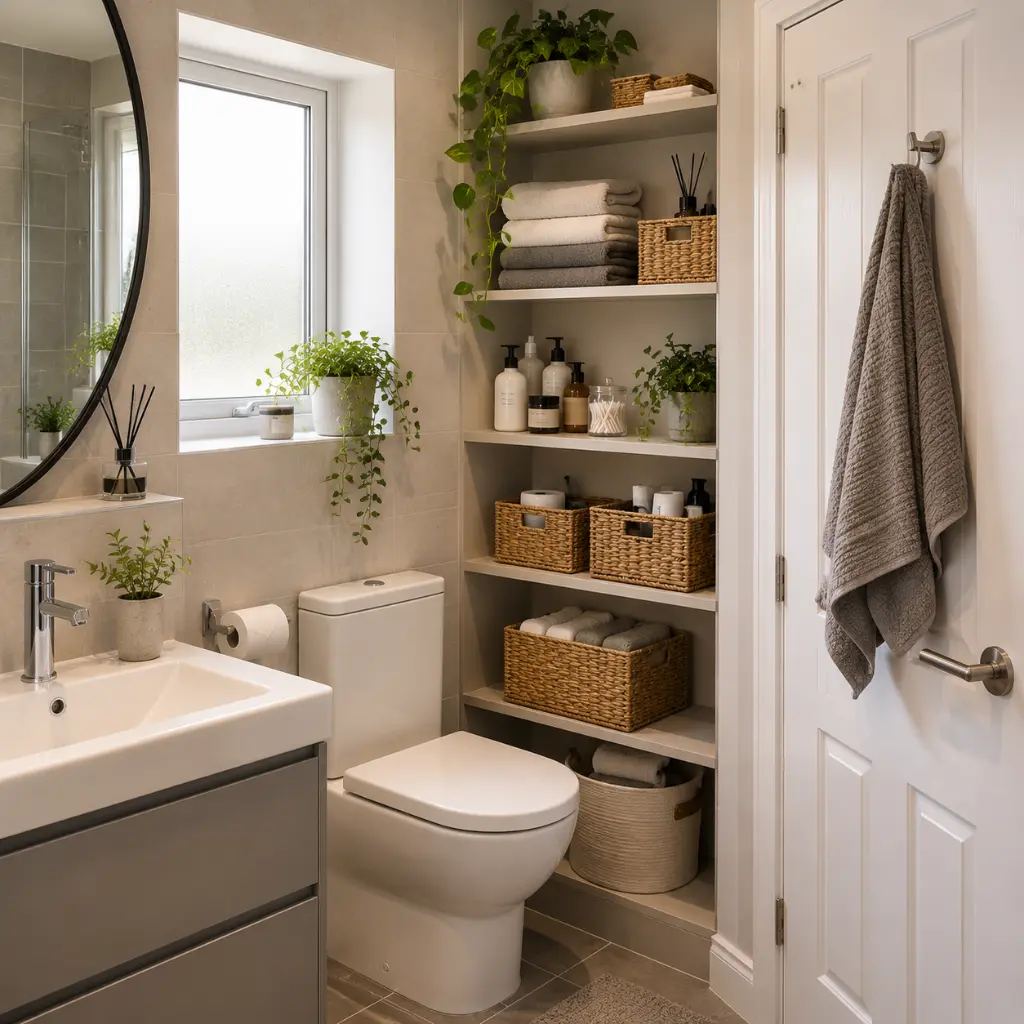
Decide where shelves, grab rails and a mirror will go before the boarding goes on. Plywood pads or noggins fixed between the studs at those points give something solid to screw into later, which matters even more once the wall is finished in panel or a thin coating. It is a short conversation worth having at the same time as planning bathroom shelves and storage around the new wall build.
An extractor with a run-on timer, or a humidistat unit, protects a wall more reliably than any product choice. In the bathrooms TG Handyman London is called into, the failed walls are nearly always the ones where this stage was rushed. Fan wiring falls under the bathroom zone rules, so it belongs with a qualified electrician.
Waterproof wall panels
Panels are the most widely used tile alternative in UK homes, mainly because they arrive already waterproof and go up in hours rather than days.
PVC panels
Hollow-core PVC panels lock together on a tongue and groove joint and are bonded to the wall with solvent-free adhesive. Internal, external and end trims close the corners, and joints are sealed with sanitary silicone.
They are light, cut with a fine-tooth saw and forgive a slightly uneven wall. The compromise is the surface, which can dent if something heavy catches it.
Laminate and composite panels
These use a solid core with a decorative waterproof face and come in wide sheets. A shower wall can often be covered in one or two pieces, so there is almost no jointing to look at.
They are heavier and far less forgiving. Cut-outs for taps, shower valves and switches have to be measured exactly, because a panel cannot be filled and patched the way plaster can.
Acrylic sheets
Acrylic is thin, warm to the touch and can sometimes be bonded straight onto existing tiles where they are flat and firmly stuck down. It suits a shower enclosure wanting a smooth, glossy face, though it scratches, so abrasive cleaners are best kept away.
Microcement and specialist plasters
Microcement is a polymer-modified cement coating applied in thin layers over a primer and a reinforcing mesh, then sealed. Finished thickness is only a couple of millimetres, so it can go over an existing surface without eating into the room.
Its water resistance comes from the sealer rather than the coating, and that sealer needs reapplying periodically. It is a surface that rewards a little upkeep, not one to fit and forget.
Tadelakt and other lime-based plasters give a softer, mottled look. Tadelakt is compressed and treated with soap to close the surface, which is skilled work, and it is usually shaped with rounded corners rather than sharp arrises.
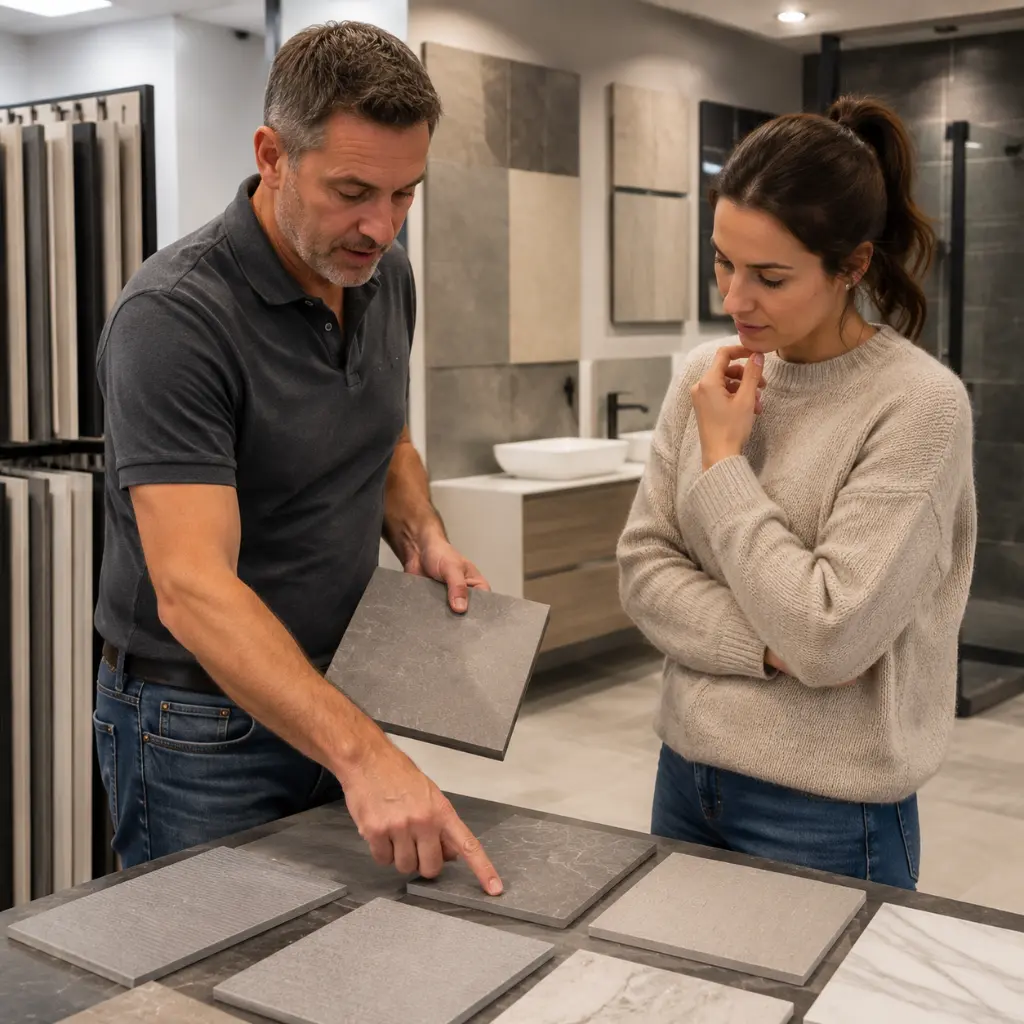
Order a sample board with any of these. Colour and texture shift between applicators in a way that a boxed product does not.
Moisture-resistant paint for the drier walls
Not every wall in a bathroom is a wet wall. Above the splash line, and on the wall furthest from the shower, a good bathroom emulsion is often all that is called for.
These paints use a tighter film and a fungicide to hold off surface mould, and a satin or eggshell sheen wipes down better than matt. Preparation does most of the work, and a thinned mist coat on fresh plaster affects the result more than the tin does.
Timber panelling and tongue and groove
Panelled walls suit period homes and soften a room that would otherwise feel clinical. They work well as long as the timber is kept clear of direct water.
Moisture-resistant MDF holds its shape better than standard board in a humid room. Every face has to be primed, including the back and each cut edge, because unsealed edges are where swelling starts.
Keep the bottom edge off the floor with a small gap or sealed skirting, and allow room for movement along the run. Fixing to battens rather than straight to plaster also lets air pass behind the boards.
Matching the finish to the room
The easiest way to decide is to split the bathroom into three areas and treat each one on its own terms.
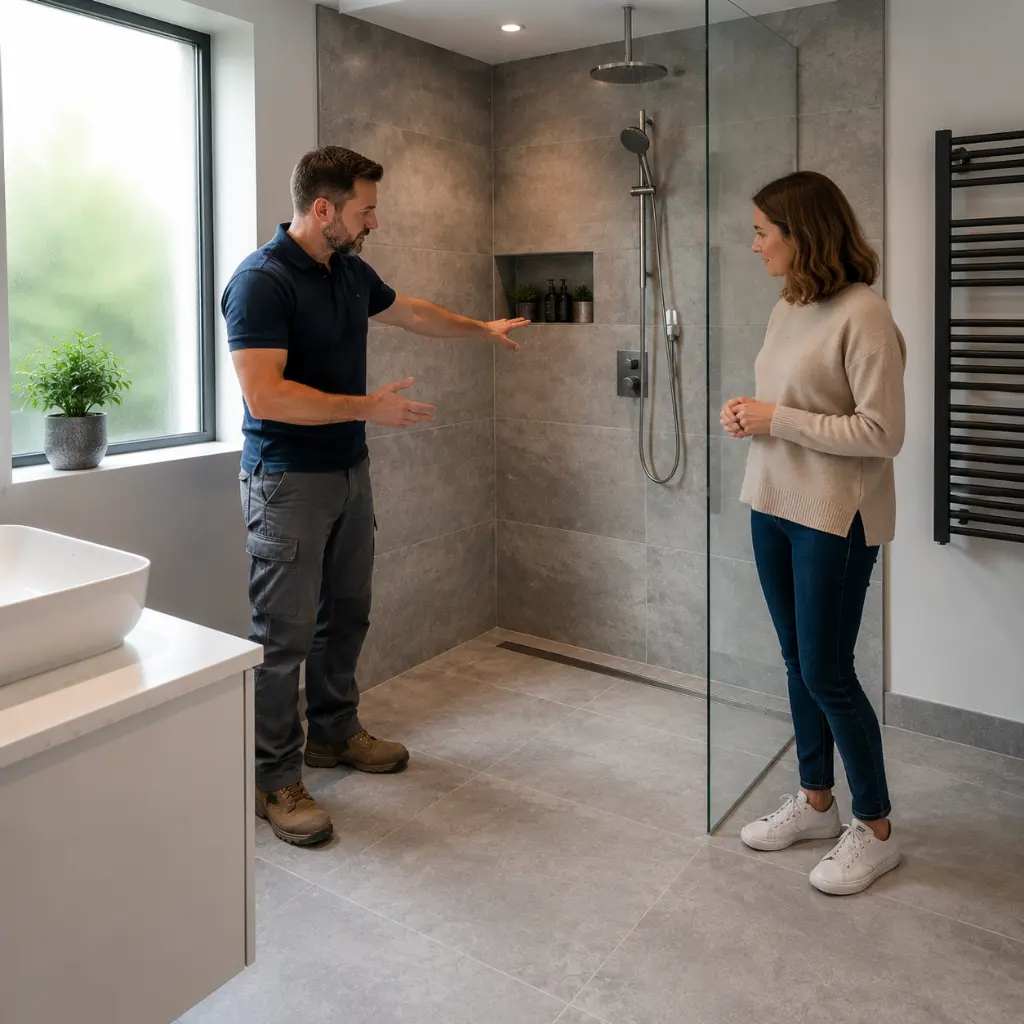
Inside the shower and directly around the bath, the sensible options are panels, microcement or a sealed plaster over a properly tanked wall. This is where shortcuts show up first, usually within a couple of winters.
The splashback behind a basin takes those same finishes, or a single sheet of acrylic or toughened glass, which is easy to wipe around taps. Everywhere else is more open, and paint, panelling or vinyl-coated wallpaper all sit comfortably in a ventilated room.
The floor is a separate decision, and going tile-free on the walls does not change it. Wall finishes are judged on how they handle water, while a floor has to be judged on grip when it is wet and soapy, which is a different test entirely. That is worth settling before the wall finish is ordered, since choosing non-slip bathroom tiles for the floor often narrows the colours and textures that will sit well against them.
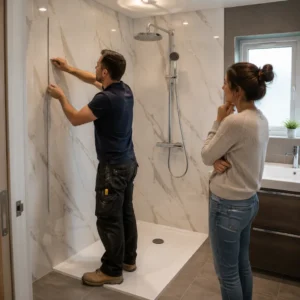
Fitting over existing tiles is possible with several of these options and saves a great deal of mess. Tap across the wall first. Any tile that sounds hollow has lost its bond, and whatever is fixed on top will move with it. That is the first check TG Handyman London makes before quoting for work over old tiles.
Choosing what suits your bathroom
There is no single answer among these finishes. Panels get a wet area done quickly, microcement gives a continuous surface, lime plaster brings texture, and paint keeps the rest of the room easy to change later.
What ties them together is their dependence on what sits underneath. Sort the boarding, the waterproofing and the airflow, and almost any alternative to bathroom tiles will hold up. Neglect those, and the tidiest finish will tell you soon enough.
Talk it through before you commit
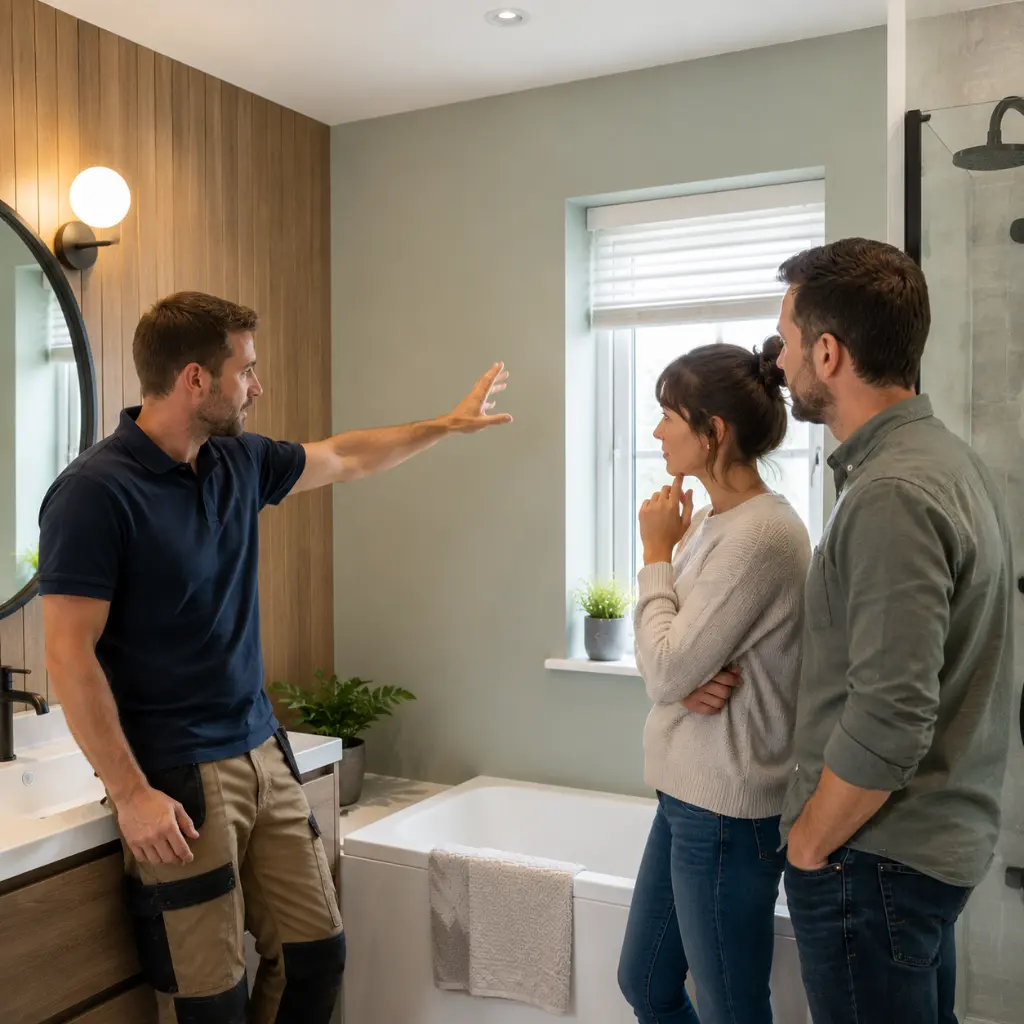
If you are weighing up your options, it helps to have someone look at the actual walls before anything is ordered. TG Handyman London covers Harrow, Wealdstone, Pinner, Stanmore, Kenton and Edgware, fully insured and with no call-out fee. Request a free, no-obligation quote and we will give you an honest view of what will work in your bathroom.